



The Real Pasta alla Norma: History and Original Recipe
- Details
- Hits: 1423

Introduction: A Tribute to Sicily on a Plate
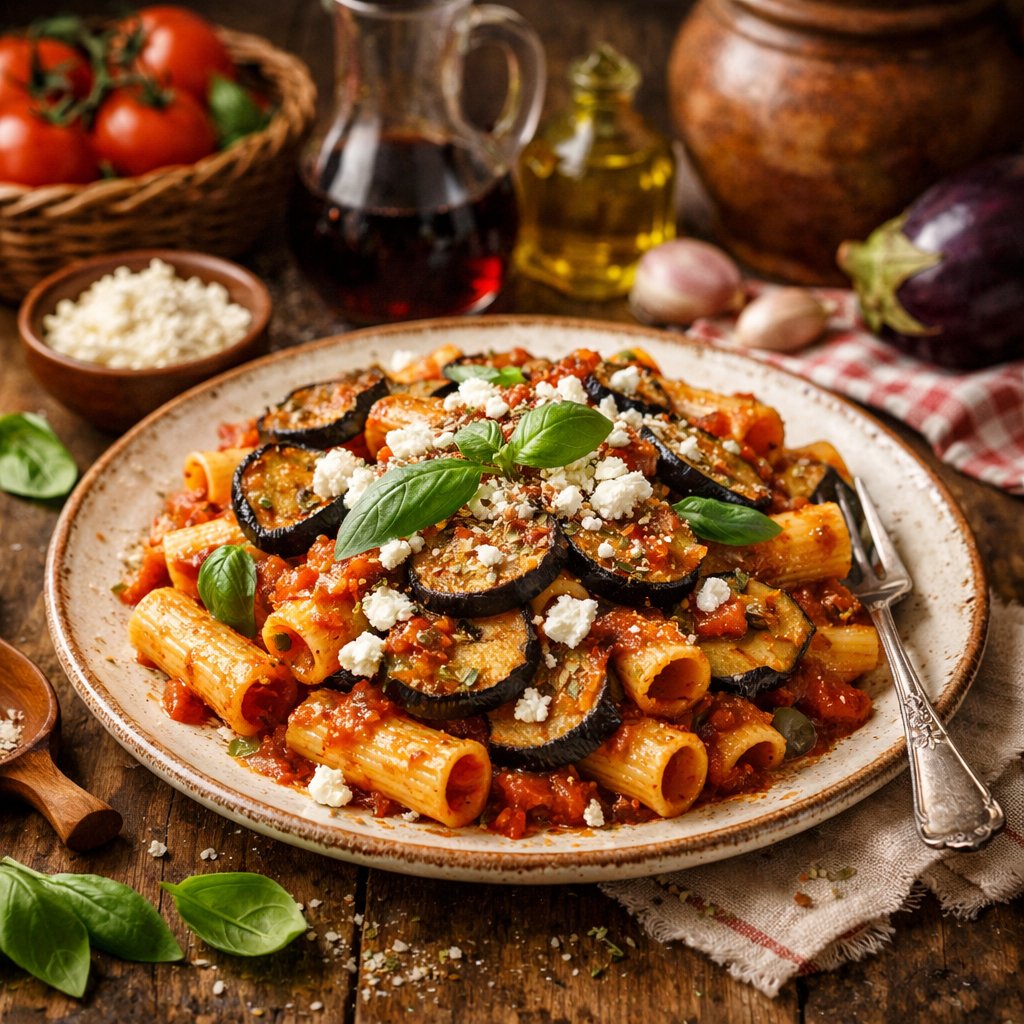
Pasta alla Norma is more than just a first course: it's a tribute to Catanian cuisine, a perfect balance between the sweetness of the eggplant, the acidity of the tomato, and the savory flavor of the salted ricotta.
This dish, simple in essence yet rich in history, captures the soul of eastern Sicily. In this article, we'll explore the origins of this famous recipe and guide you step-by-step through the authentic version, just as Sicilian grandmothers make it.
The Origins: Why is it called "Alla Norma"?
The Homage to Bellini
Contrary to popular belief, Pasta alla Norma doesn't have medieval origins. Its origins date back to the 19th century , and its name is a tribute to Catania, the birthplace of composer Vincenzo Bellini.
According to the most widely accepted tradition, the Catanian playwright Nino Martoglio tasted this dish prepared by a friend and, struck by its perfection, exclaimed: " Chista è na vera Norma! " (This is a real Norma!), comparing it to Bellini's famous opera "Norma", considered a masterpiece of balance and harmony.
One Name, Two Theories
Another theory suggests the name derives from the circular shape of the fried eggplant slices, reminiscent of the phonograph records on which Bellini's operas were recorded. Whatever the true origin, the connection with Catanian culture is unbreakable.
Authentic Ingredients: Quality Makes the Difference
For a true Pasta alla Norma, the provenance of the ingredients is crucial . Here's what you need:
Ingredients for 4 people:
-
400g of Macaroni (such as rigatoni or broken ziti) - Short, ridged pasta holds the sauce better
-
800g of San Marzano tomatoes or ripe copper tomatoes
-
2 oval purple aubergines (about 600g) - Preferably Sicilian aubergines
-
150g of authentic Sicilian Ricotta Salata
-
2 cloves of garlic
-
Fresh basil leaves (a generous handful)
-
Sicilian extra virgin olive oil for frying and sauce
-
Fine salt and chili pepper (optional)
-
Seed oil for frying (if you don't want to use only EVO oil)
A note on salted ricotta: The must-have ingredient! Sicilian salted ricotta has a grainy texture and a bold flavor that's completely different from fresh ricotta. In our shop, you can find authentic Sicilian sheep's ricotta salata , aged according to tradition.
The Original Recipe: Step by Step
Step 1: Preparing the Eggplant (The Secret to Crispyness)
-
Cutting: Peel the eggplants into strips (leaving about half the peel on) and cut them into 2cm cubes. The partial peel helps them hold their shape during frying.
-
Purification: Place the cubes in a colander, sprinkle with coarse salt, and let them rest for at least 30 minutes . This step is crucial for removing the water and bitterness.
-
Rinsing and Drying: Rinse the eggplants thoroughly under running water and dry them thoroughly with paper towels. Thorough drying is essential for perfect frying.
-
Frying: Heat plenty of oil in a pan (a mix of EVOO and canola oil is ideal for a higher smoke point). Fry the eggplant over medium-high heat until golden and crispy. Drain on paper towels.
Phase 2: The Authentic Tomato Sauce
-
Sauté: In a large pan, lightly brown two garlic cloves in 3 tablespoons of extra virgin olive oil. Add a few basil leaves.
-
Tomatoes: Add the peeled and chopped tomatoes (or pureed if you prefer a smoother sauce). If using fresh tomatoes, blanch them first for 1 minute to make peeling easier.
-
Cooking: Cook over medium heat for 20-25 minutes , until the sauce has reduced. Season with salt and, if you like, a pinch of chili pepper.
Phase 3: Composition of the Dish
-
Cooking the Pasta: Cook the pasta in plenty of salted water, draining it when very al dente (1-2 minutes less than the time indicated on the package).
-
Stirring: Transfer the drained pasta directly to the pan with the sauce. Add most of the fried eggplant (reserving a few for garnish) and stir for 1-2 minutes over high heat, adding a ladle of the pasta cooking water if necessary.
-
Plating: Serve the pasta immediately on plates, garnishing with the reserved fried aubergines, plenty of grated salted ricotta (not finely grated, but in flakes or with a grater with large holes) and fresh basil leaves.
The Secrets of Sicilian Grandmothers
-
Salt on Eggplant: Never skip the salt step! Besides eliminating bitterness, it slightly dehydrates the eggplant, making it more porous and more likely to absorb less oil during frying.
-
Double Cooking of Eggplants: Some traditional versions call for a first frying over medium heat to cook the inside, and a second over high heat to make them crispy.
-
Ricotta al Momento: Grate the salted ricotta only when ready to serve, to preserve its texture and flavor.
-
Raw Basil: Always add a few leaves of fresh raw basil in addition to the cooked basil in the sauce.
Regional Pairings and Variations
What to Drink with Pasta alla Norma
-
White Wine: An Etna Bianco DOC (made from Carricante) or a Grillo from the Sicilian lands
-
Red Wine: For those who prefer red, a light Frappato or a Cerasuolo di Vittoria
Curious Variants
-
"Pasta alla Norma in Forno": Baked version with added mozzarella (a more recent variation)
-
Without Frying: Light version with grilled aubergines (not traditional but valid)
-
With Fresh Pasta: Some restaurants offer it with homemade "fresh macaroni"
Why Use Only Sicilian Products?
The magic of Pasta alla Norma lies in the quality of the ingredients:
-
Sicilian aubergines have a firmer and less watery flesh
-
Sicilian EVO oil has herbaceous and spicy notes that blend perfectly
-
Sicilian salted sheep's ricotta has a unique flavour and an unrepeatable grainy texture .
In our shop you'll find all the authentic ingredients to prepare a perfect Norma:
-
Sicilian monocultivar EVO oil
Conclusions: More than a Simplicity, a Balance
Pasta alla Norma is the perfect example of how Sicilian cuisine transforms humble ingredients into a dish rich in flavor and history. It's no coincidence that it has become an ambassador for Catanian cuisine around the world.
Each bite speaks of a land of contrasts: the sweetness of the eggplant, the acidity of the tomato, the saltiness of the ricotta, the freshness of the basil. Just like in Bellini's opera, each element plays its part, but it is the whole that creates harmony.
Try the original recipe and tell us your experience in the comments! Do you have a family variation? Share it with our community of Sicilian cuisine lovers.
Did you enjoy this article? Discover more authentic recipes in our Traditional Sicilian Recipes section and visit the shop for all the authentic ingredients to prepare them at home, just like in Sicily.
Cosa ne pensi?
Inviaci un feedback!

 And then Add to Home Screen.